Cyber Security for Small Businesses: A Practical UK Guide
The cyber security basics a UK small business needs, in one place: passwords, MFA, updates, devices, backups, training, Cyber Essentials and what to do if you’re hit.
Phishing, ransomware, passwords and practical ways to keep your company and your clients’ data safe.
The cyber security basics a UK small business needs, in one place: passwords, MFA, updates, devices, backups, training, Cyber Essentials and what to do if you’re hit.
When a criminal is already using one of your mailboxes: how to shut them out, what to check, who to tell and whether the ICO needs to know.
What UK GDPR asks of a small business in 2026, after the Data (Use and Access) Act: the fee, lawful bases, records, security, breaches, requests and complaints.
The phishing scams UK businesses see most, the checks that catch them, what to do in the first hour if someone clicks, and how to make the next one harder.
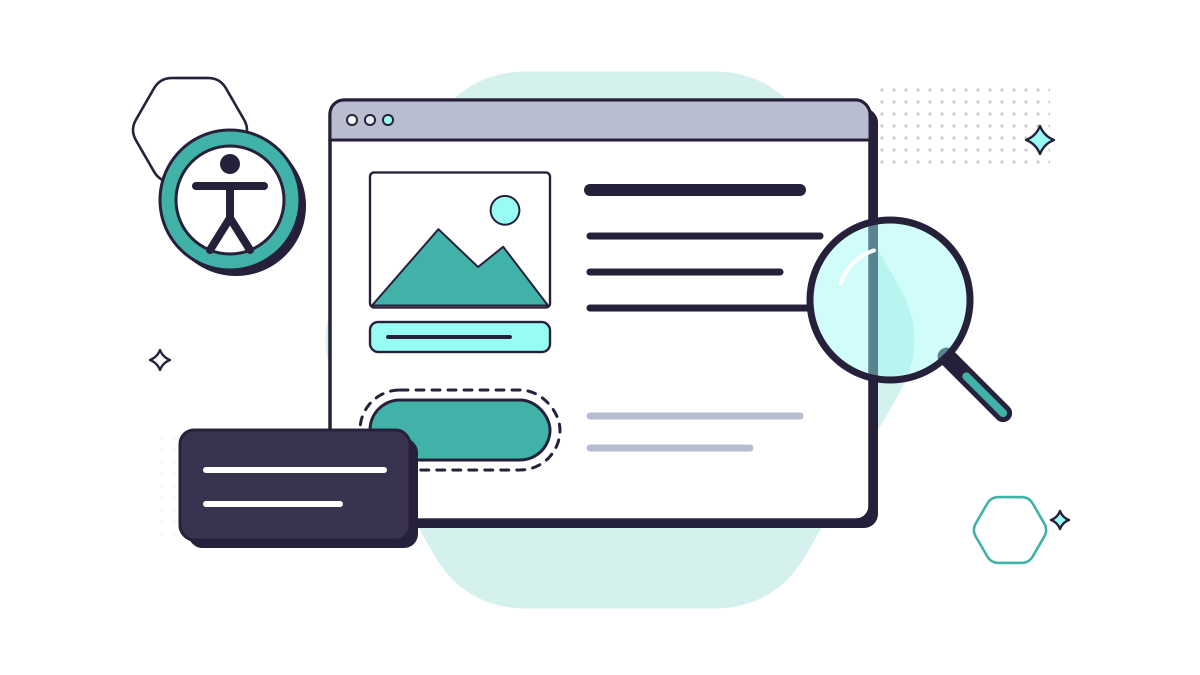
One in four people in the UK is disabled. Here’s what the law expects of your website and documents, and the practical steps that make the biggest difference.
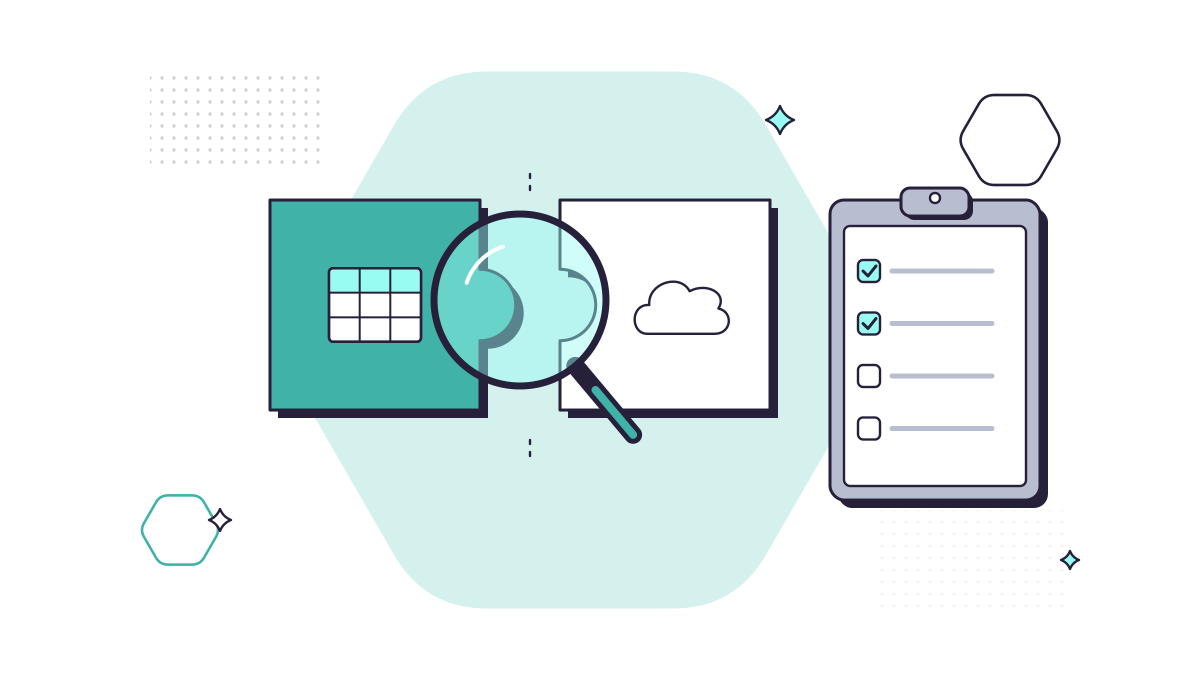
Every app you connect to Microsoft 365 or your practice software gets its own access to your data. Here’s how to check it first, using the NCSC’s supply chain approach.
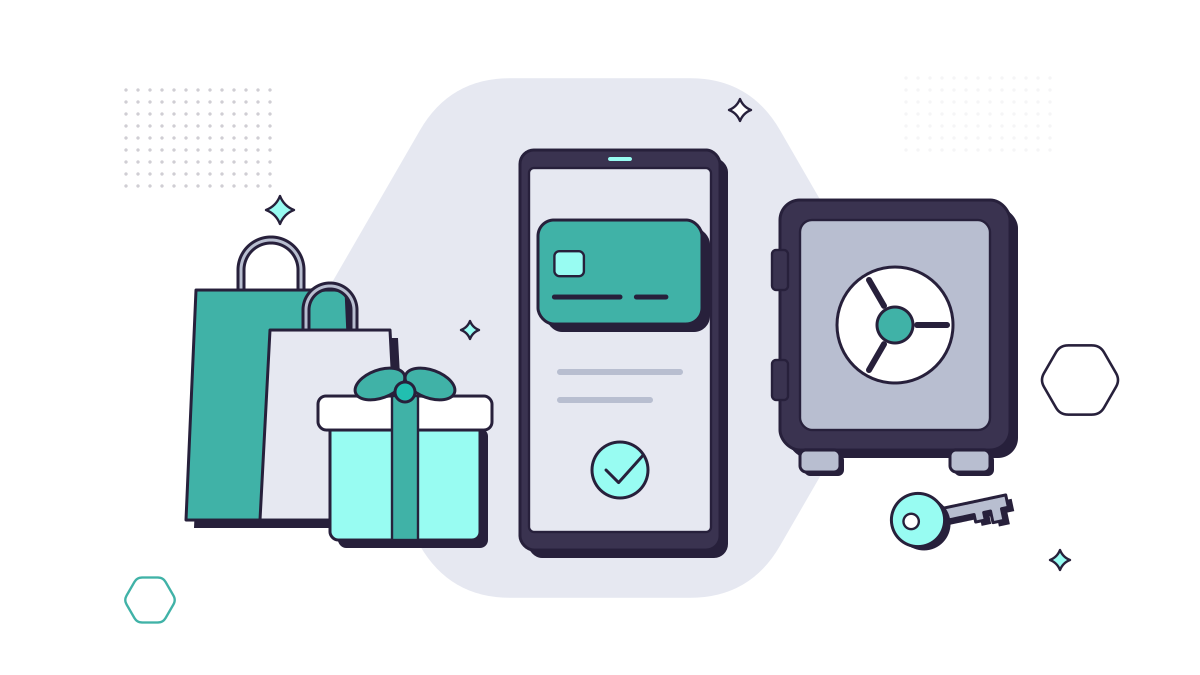
Two simple tools make online shopping much safer: a password manager for unique logins and virtual card numbers that limit the damage if a shop is breached.
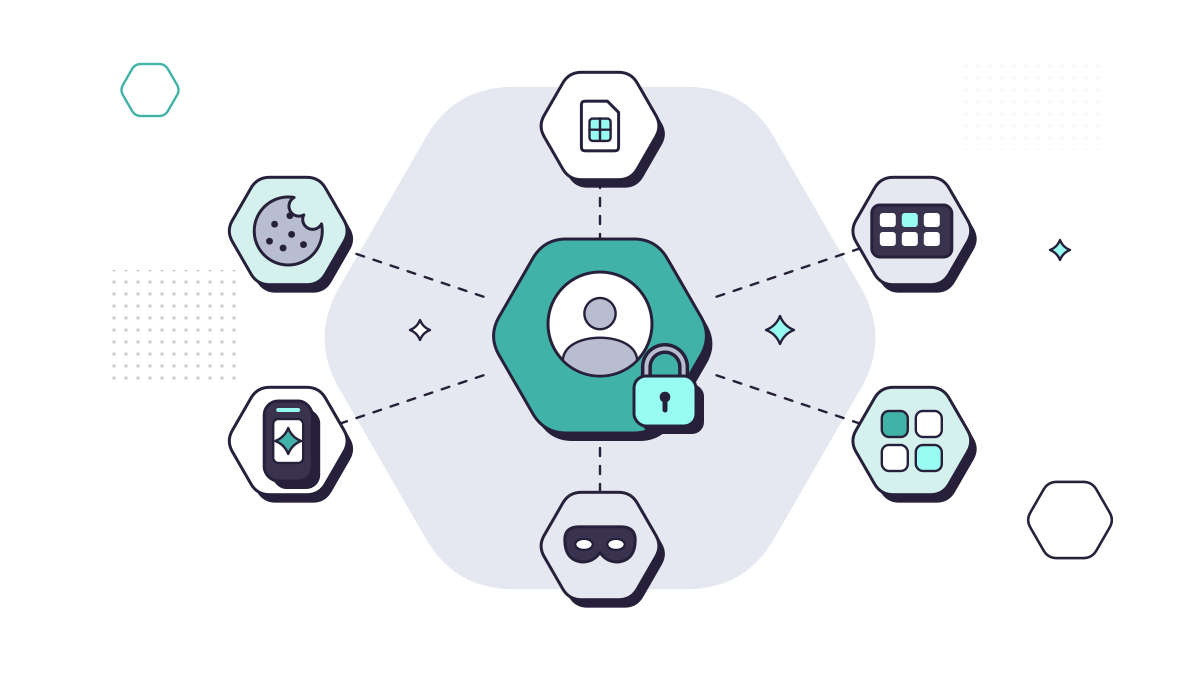
Weak passwords and phishing emails aren’t the only way in. Here are seven less obvious routes into business accounts, and the fix for each.
Deleting a file rarely destroys it straight away. Where it goes on a PC, a phone and Microsoft 365, how to get it back, and how to make sure it’s really gone.
A breach notice can leave you feeling powerless. These eight steps limit the damage, from changing passwords to checking your credit file.
Want help with this? See our Cyber Security service, or get an IT Assessment.
Start from what you need to get done.