
Why Continuous Monitoring is a Cybersecurity Must
Imagine this: you leave your house for vacation. You live in a shady neighborhood but feel confident your locks are secure, but you also don’t…
Phishing, ransomware, passwords and practical ways to keep your company and your clients’ data safe.
Imagine this: you leave your house for vacation. You live in a shady neighborhood but feel confident your locks are secure, but you also don’t…
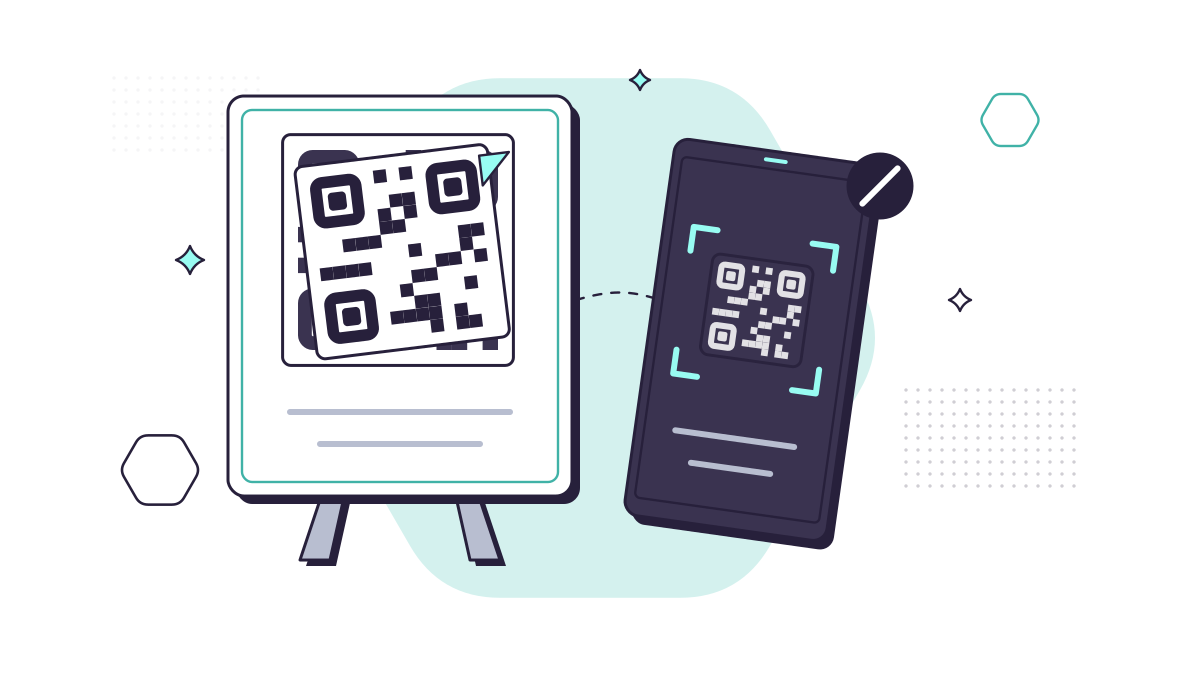
Fake QR codes are turning up on parking meters and in work emails. Here’s how the scam works and the habits that keep you and your staff safe.
In March 2024 we achieved ISO 27001 and Cyber Essentials Plus, alongside ISO 9001. Here’s what each one means for the companies we look after.
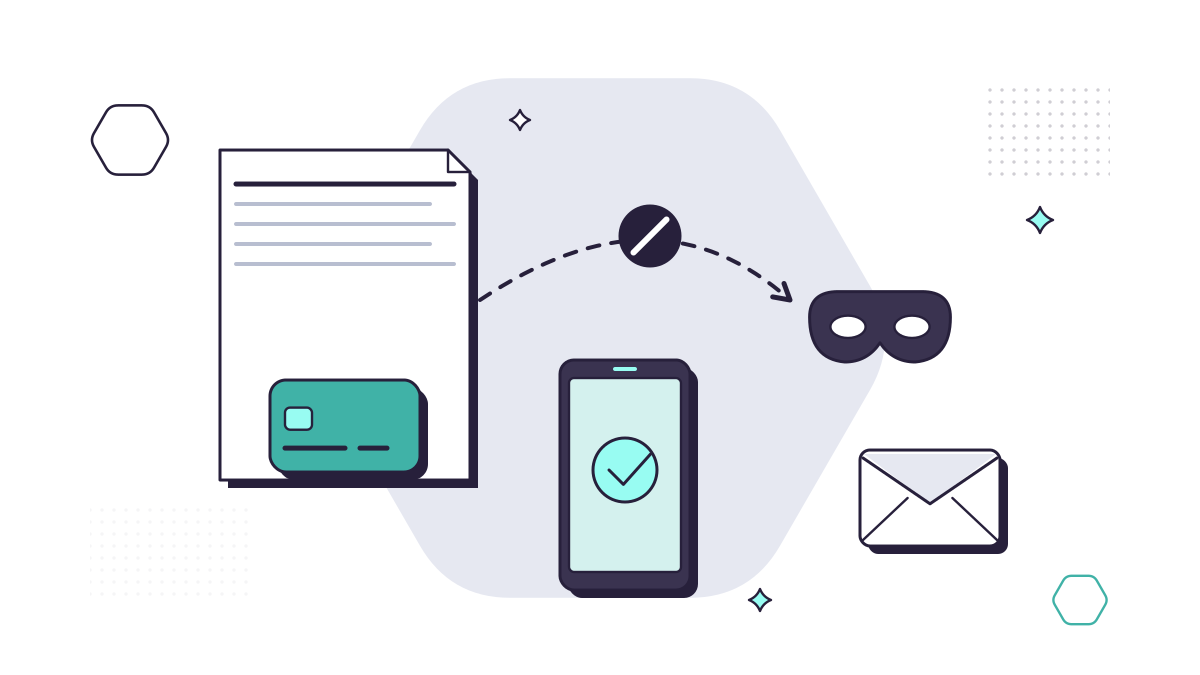
How criminals use a hacked or lookalike email account to redirect payments, what UK businesses lose, and the simple checks that stop it.
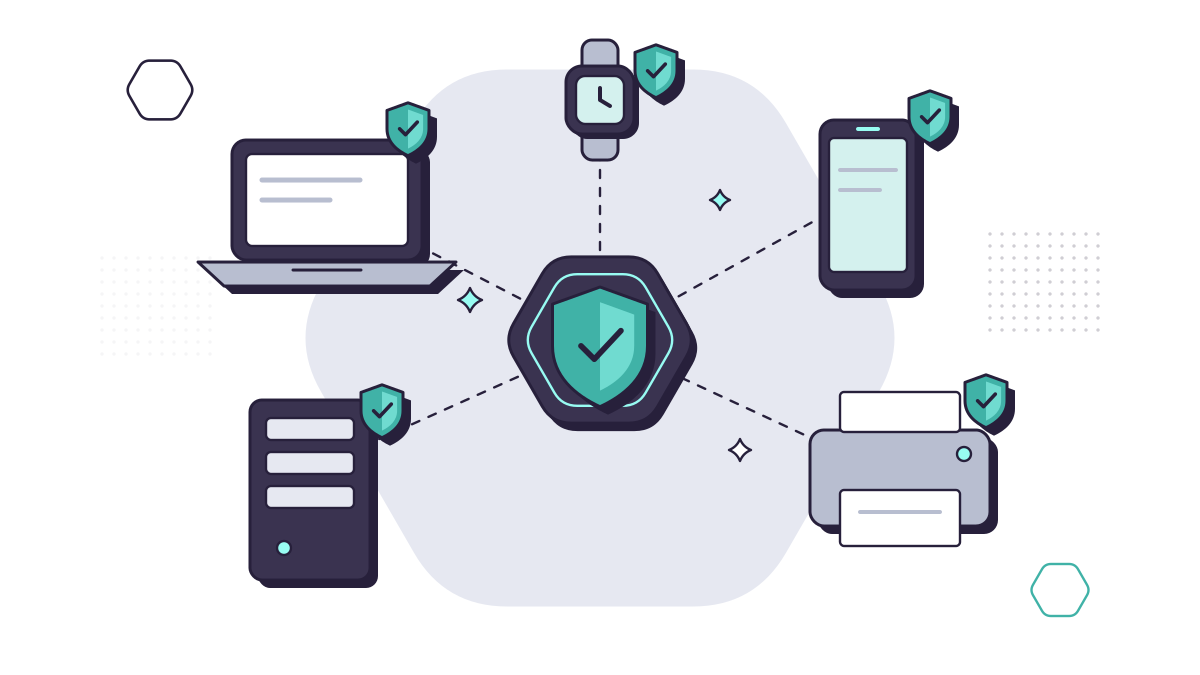
Every laptop, desktop and phone is a way into your business. Six steps that protect them, in line with Cyber Essentials and NCSC advice.
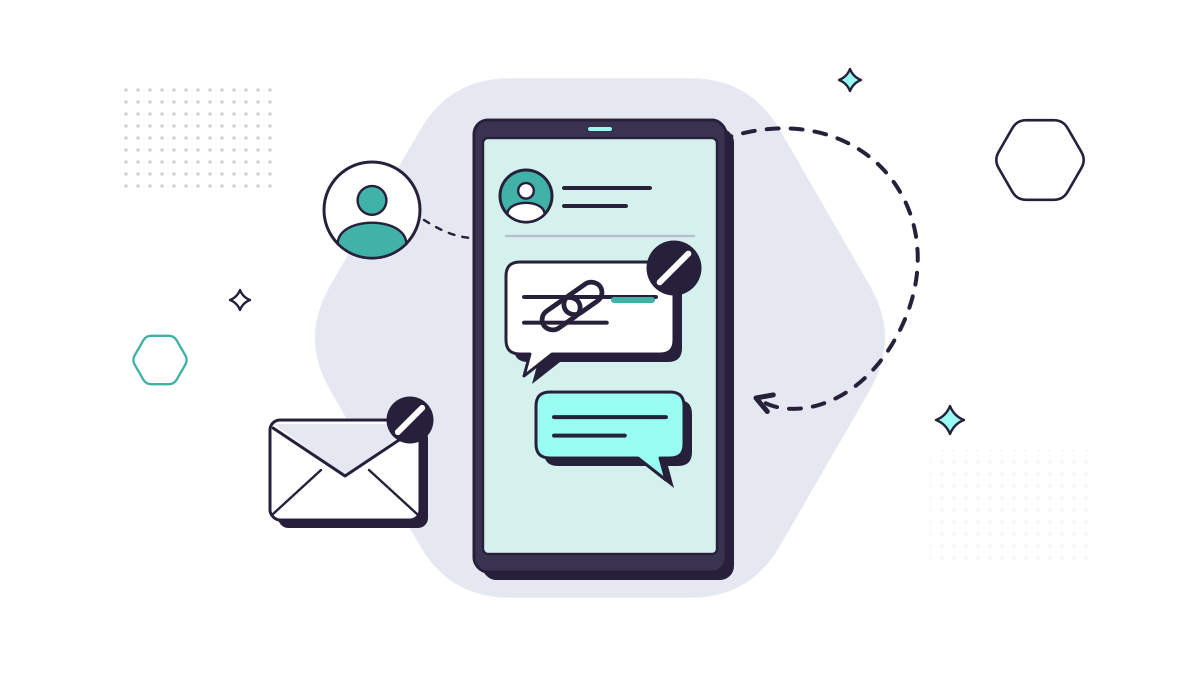
A text that seems to come from your own number is a scam, not a hacked phone. Here’s how sender spoofing works and how to deal with scam texts.
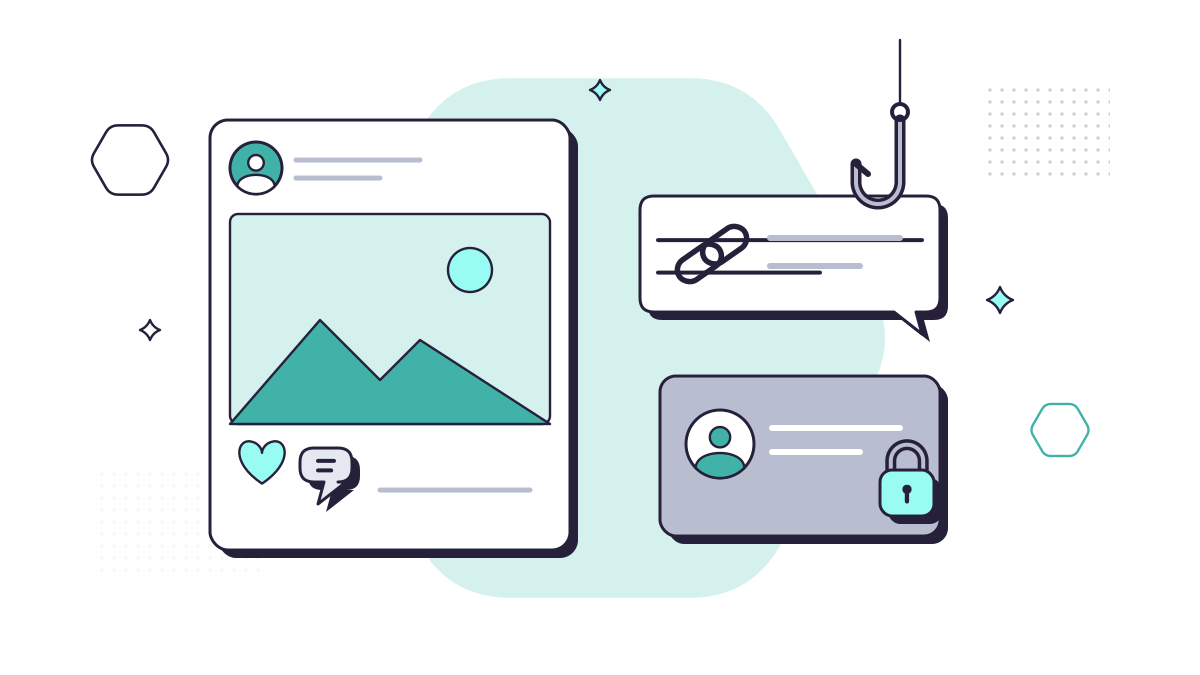
Social media is where many UK scams now start. Six practical habits that protect your own accounts, your company’s pages and your contacts.
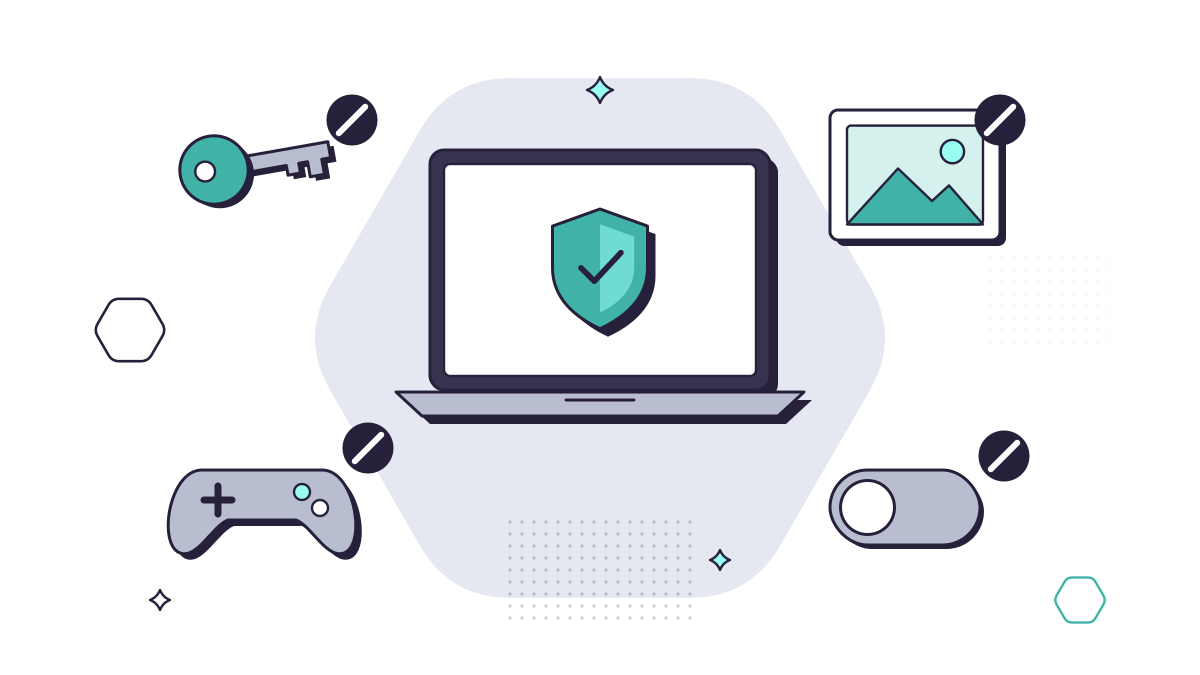
The line between work and personal use blurs fast on a work laptop. Five habits that put company data, and your own, at risk, and what to do instead.
Printing devices are often overlooked when it comes to security. But the reality is, cybercriminals can hack your printer to get confidential information. Your printer…
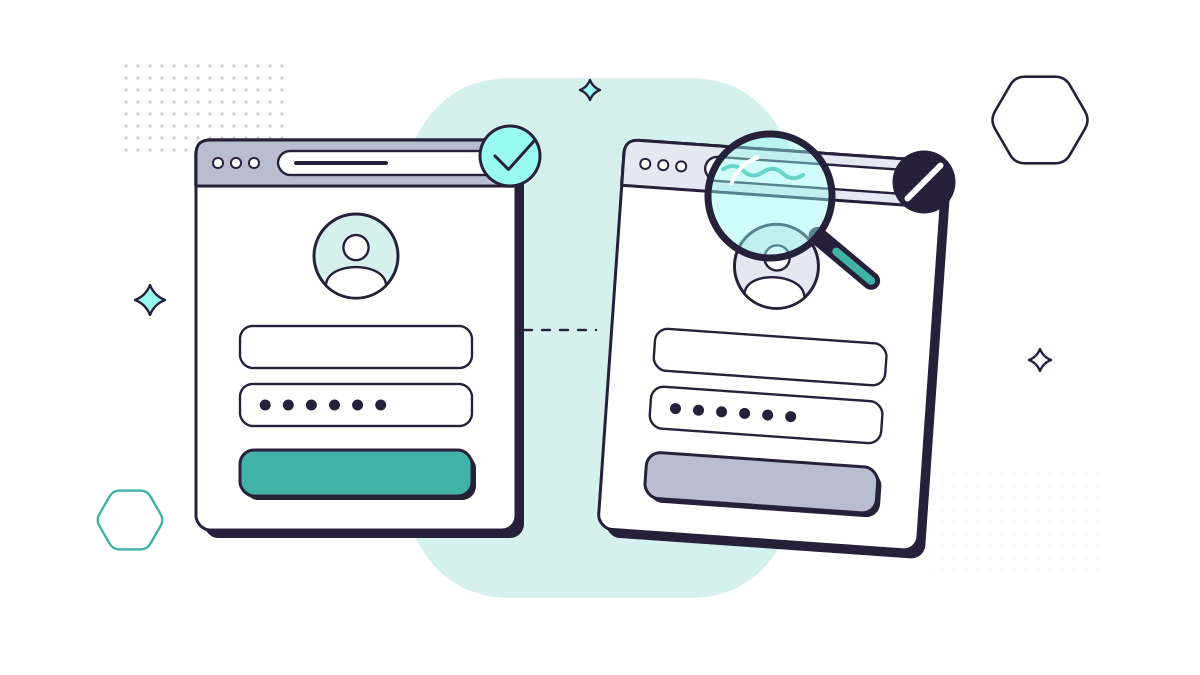
Fake sign-in pages are the most common way UK businesses lose control of a mailbox. Here’s how they work, how to spot one and how to make them useless.
Want help with this? See our Cyber Security service, or get an IT Assessment.
Start from what you need to get done.